

How smart-pdu Standardization Is Reshaping Modular PDUs
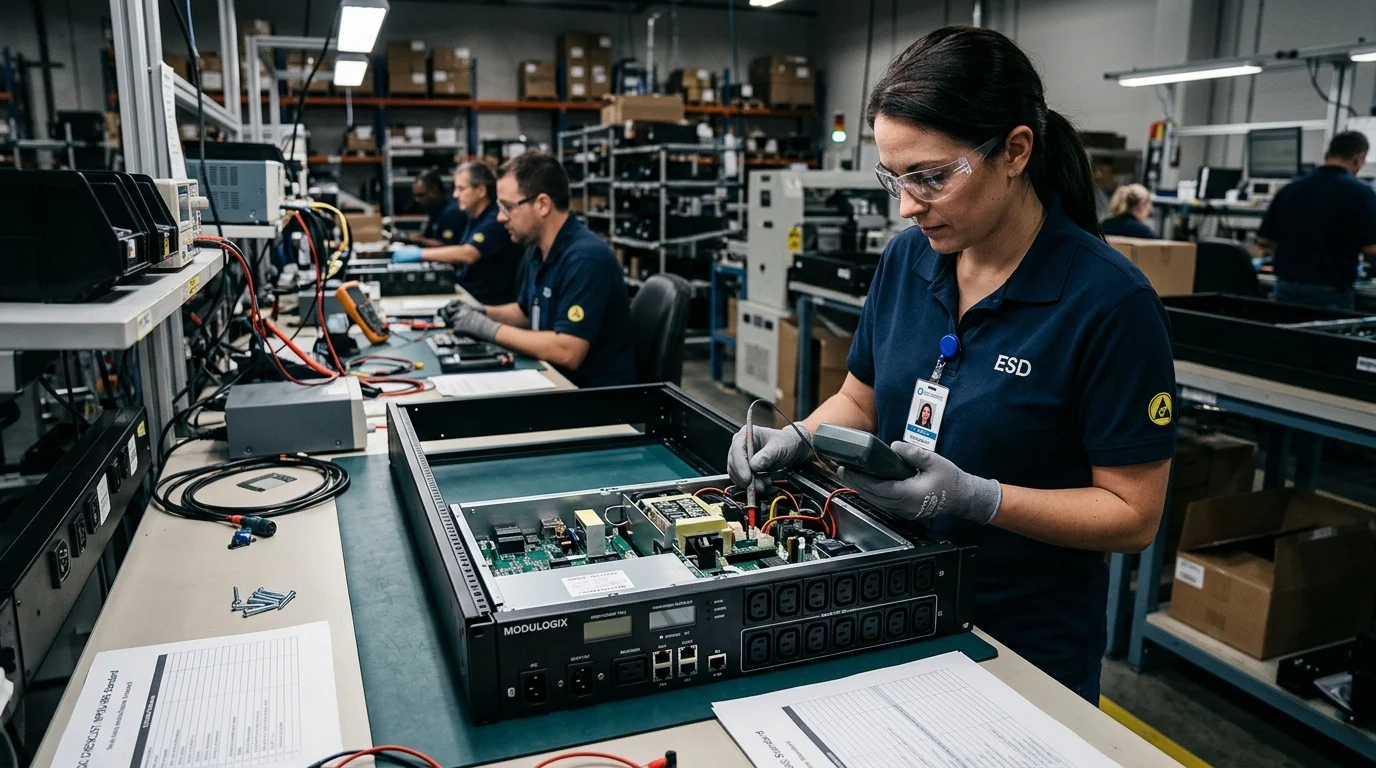
Why smart-PDU standardization matters for B2B buyers
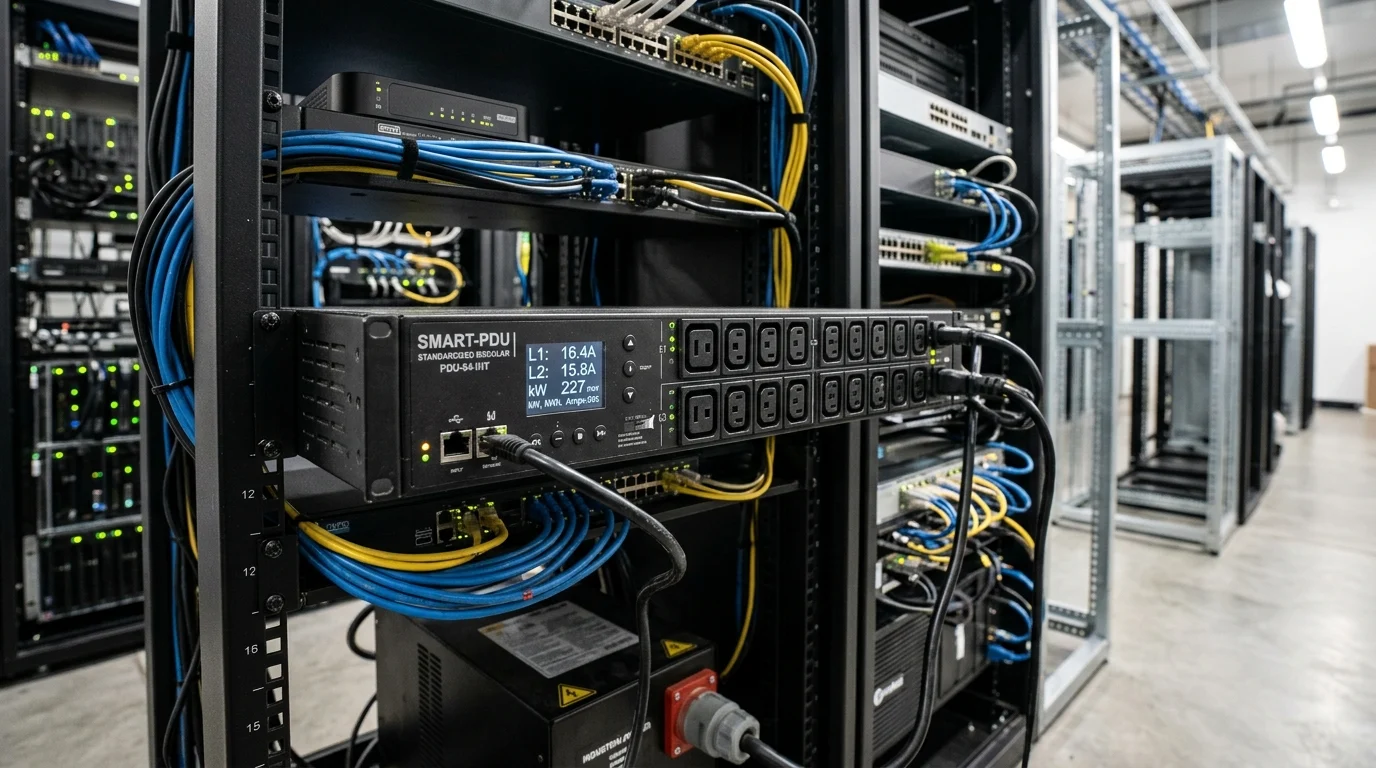
If you’ve been in the data center procurement game for a while, you already know the headaches of dealing with proprietary power distribution units. Historically, every manufacturer had its own form factor, its own communication protocols, and its own unique replacement parts. But lately, there has been a massive shift. The push for smart-PDU standardization is fundamentally changing how we buy, stock, and deploy these critical infrastructure components.
For B2B wholesale buyers and distributors, this isn’t just a technical upgrade; it’s a structural change to the supply chain. Standardization means we are finally moving away from vendor lock-in. When the core architecture of a Modular PDU follows universally accepted dimensions and open communication standards, it gives us the leverage to multi-source without forcing our end-users to overhaul their entire server rack setups.
Embracing this standardization is the fastest route to protecting your margins. Instead of managing fifty different proprietary SKUs that might become obsolete next year, you can consolidate your inventory around universally compatible core units and modular add-ons. It simplifies everything from forecasting to after-sales support.
How standardization reduces sourcing risk
Sourcing risk keeps most supply chain managers up at night, especially when lead times for electronic components fluctuate wildly. By shifting to standardized smart-PDUs, buyers drastically reduce their exposure to single-supplier bottlenecks. If one factory faces a component shortage for a proprietary controller board, you’re stuck. But with standardized protocols and universal form factors, you can easily pivot to alternative suppliers whose modules fit the exact same footprint and integrate seamlessly with your existing Data Center Infrastructure Management (DCIM) software.
Market shifts driving adoption
The market isn’t just gently nudging us toward standardization; it’s shoving us. Edge computing and hyperscale data center expansions require rapid deployment, and operators simply don’t have the time to integrate custom power systems for every new site. Furthermore, the rising demand for high-density power to support AI workloads means buyers need reliable, interchangeable components. End-users are demanding interoperability, and suppliers who cling to closed ecosystems are rapidly losing market share.
Impact on margin and lifecycle value
From a distributor’s perspective, standardized units are incredibly friendly to your bottom line. Because the core chassis and intelligent modules are standardized, manufacturers achieve better economies of scale, lowering the baseline unit cost. Plus, the lifecycle value skyrockets. When a controller fails, you don’t replace a $1,000 PDU; you swap out a $150 standardized module. This extends the lifespan of the hardware and allows distributors to build a lucrative recurring revenue stream selling upgrade modules instead of fighting for low-margin replacement bids.
What smart-PDU standardization means in the modular PDU supply chain
When we talk about standardization in this space, we aren’t saying every PDU looks identical. Instead, it means that the foundational building blocks of the power distribution supply chain are becoming uniform. Think of it like building blocks—the base plates and connection points are identical, even if the final structure varies.
This uniformity has a cascading effect down the supply chain. Component manufacturers can mass-produce universally accepted intelligent controllers, relays, and outlet banks. For importers and buyers, this translates to shorter production lead times. Factories aren’t retooling their lines for every custom order; they are simply assembling pre-certified, standardized modules into the final configuration you requested.
Understanding this modular supply chain is crucial if you want to negotiate better pricing. When you know that the “guts” of the PDU are standardized, you can push back on suppliers who try to charge exorbitant Non-Recurring Engineering (NRE) fees for what should be a simple modular assembly.
Core definitions buyers should know
To navigate this space, you need to speak the language. A “smart-PDU” refers to a unit with network connectivity, remote switching, and power metering capabilities. “Modularity” means the unit is built from distinct, interchangeable sections—like a separate intelligence board and separate power outlet banks. Finally, “open-protocol standardization” means the PDU uses universal languages like SNMP, Modbus TCP/IP, or Redfish, rather than proprietary software requiring expensive, vendor-specific licenses.
Which components are becoming standardized
The most notable standardization is happening in the intelligence modules. We are seeing universal Hot-Swappable Modules that house the display, network ports, and processing chips. Beyond the brain of the unit, outlet configurations (like the universal C13/C19 combo outlets) and color-coded, toolless mounting brackets are becoming industry-wide norms, allowing seamless integration into any standard 19-inch or 42U rack.
Where customization still applies
Don’t worry, standardization doesn’t mean the end of private labeling or tailored solutions. Customization has just shifted from the hardware architecture to the configuration and branding phase. You can still customize the chassis color for different power feeds (e.g., red for primary, blue for redundant), specific input cord lengths, plug types (NEMA vs. IEC), and bespoke firmware branding with your company’s logo on the web interface.
How to compare standardized smart-PDU specifications
Comparing smart-PDUs used to be like comparing apples to oranges because every brand measured performance differently. Now, with standardized specifications, it is much easier to line up supplier quotes side-by-side. But you still need to know exactly which metrics actually matter to your B2B clients.
When evaluating a new supplier, look beyond the price tag. Examine the baseline accuracy of their metering, the environmental operating temperatures, and the openness of their APIs. If a supplier claims their product is “standardized,” their spec sheet needs to prove it by adhering to widely accepted data center norms.
To make things easier, build a comparison matrix. Here is a quick look at how to differentiate between standardized and non-standardized platforms when auditing a new factory.
| Feature / Metric | Standardized Smart-PDU Platform | Proprietary/Legacy PDU |
|---|---|---|
| Controller Replacement | Hot-swappable, universal fit | Requires full unit power-down |
| API & Integration | RESTful API, Redfish, SNMPv3 | Proprietary software required |
| Outlet Types | Universal C13/C19 combo ports | Fixed, single-type outlets |
| Supply Chain Flexibility | Multi-source component availability | Single-vendor lock-in |
Key electrical and feature benchmarks
Your baseline requirements should include 1% billing-grade metering accuracy (often standardized under IEC standards). You also want to verify the maximum operating temperature; standard data center operating environments now require PDUs to function flawlessly at 60°C (140°F) to support high-density, low-cooling deployments. High-retention or locking outlets should also be a standard feature, not an expensive add-on.
Protocol and software integration checklist
If the software isn’t standardized, the hardware doesn’t matter. Ensure the PDU supports IPv4/IPv6, SNMPv1/v2c/v3, and RESTful APIs. It is highly recommended to check for Redfish support, as it’s rapidly becoming the standard for data center hardware management. If a supplier tries to push their own proprietary DCIM software to unlock full functionality, walk away.
Standardized vs non-standard platforms
Standardized platforms give you agility. They allow your end-users to mix and match hardware without rewriting their management scripts. Non-standard platforms might offer a slightly cheaper upfront cost, but they trap you and your clients into a closed ecosystem, driving up the Total Cost of Ownership (TCO) when it’s time to scale or replace parts.
Supplier test data to request
Never take a spec sheet at face value. Always ask the supplier for their Mean Time Between Failures (MTBF) data, specifically for the smart controller module. Request the thermal testing reports to verify that 60°C claim, and ask for API documentation upfront to have your technical team verify that their “open” API is actually well-documented and functional.
How standardization affects MOQ, customization, and cost
One of the best things about smart-PDU standardization is how it completely flips the script on Minimum Order Quantities (MOQs). In the past, if you wanted a specific mix of outlets and a smart controller, factories would demand massive MOQs to justify the custom engineering and tooling.
Now, because the core chassis and intelligence modules are standardized, factories assemble units almost like Lego bricks. Suppliers often drop their MOQs by 50% or more for custom configurations simply because they already have the standardized base components sitting on the shelf. This allows distributors to be much leaner with their inventory.
However, you have to be strategic. While the base costs are lower, you need to understand where the factory makes its margin. Sometimes, the cost savings on the hardware are offset by premium pricing on the intelligent modules. Knowing how to navigate this will make or break your profitability.
Impact on MOQ and mixed-SKU orders
Standardization is a massive win for mixed-SKU orders. Because the internal wiring and controller boards are uniform, you can often negotiate an order of 500 total units spread across 5 different outlet configurations without triggering the high MOQs usually associated with custom runs. The factory treats it as a single standard production run with minor end-of-line variations.
Customization options for private-label buyers
For buyers building private-label brands, standardization offers the perfect balance. You can source a highly reliable, standardized base unit and apply Custom Power Solutions through custom chassis colors, branded bezels, and private-label firmware. You get the reliability of a mass-produced standard product with the margin protection of a proprietary brand.
Where cost savings and hidden costs appear
The biggest cost savings come from reduced NRE fees and cheaper freight (due to standardized packaging). However, watch out for hidden costs in firmware licensing or firmware update fees. Some suppliers offer a cheap standardized unit but charge an annual fee for security patches or to unlock advanced API features. Always negotiate lifetime firmware updates into your initial purchasing contract.
Compliance and quality control for standardized smart-PDU sourcing
Quality control is where the rubber meets the road. Just because a PDU uses standardized components doesn’t mean it was assembled correctly. In fact, because smart-PDUs deal with high voltage and network connectivity simultaneously, the compliance requirements are incredibly strict.
During a factory audit, ensure that their standardization extends to their testing procedures. If they are building a modular unit, they need to test the module connections, not just the final assembled piece. The beauty of standardized parts is that they allow for automated testing, which drastically reduces human error on the assembly line.
Procurement teams should build a rigorous QC checklist that goes beyond simple visual inspections. You are buying a network-connected power device; it needs to be treated as both an IT asset and a critical electrical component.
Certifications to verify
Do not import any smart-PDU without verifying IEC 62368-1 (the standard for IT and AV equipment safety). Depending on your market, you will also need UL/cUL for North America or CE for Europe. Additionally, because these units contain network boards, verify FCC Part 15 or equivalent EMI/EMC certifications to ensure they won’t interfere with other data center equipment.
Factory audit priorities
When auditing a supplier, head straight to their SMT (Surface Mount Technology) lines where they build the smart controllers. Are they using standardized, automated optical inspection (AOI)? Next, check their burn-in room. Standardized smart-PDUs should undergo a 100% burn-in test at full load and maximum operating temperature for at least 4 to 8 hours to catch early component failures.
Pre-shipment QC and performance tests
Your pre-shipment inspection should include Automated Test Equipment (ATE) logs for every unit. This verifies that every outlet switches correctly and meters power accurately. Also, mandate a firmware check—ensure every unit in the batch is flashed with the exact same standardized firmware version to avoid deployment headaches for your customers.
Packaging, logistics, and after-sales planning
Logistics can quickly eat up your margins if you aren’t careful. One of the unsung benefits of smart-PDU standardization is the uniformity it brings to packaging. When chassis dimensions are standardized, you can optimize pallet loads down to the millimeter, maximizing container space and slashing your per-unit freight costs.
But logistics isn’t just about getting the product to your warehouse; it’s about the entire lifecycle. Because these units are modular, your after-sales strategy needs to evolve. You no longer need to ship heavy, 6-foot-long metal power strips back and forth for RMA (Return Merchandise Authorization).
Instead, your logistics planning should focus on the much smaller, lighter intelligent modules. This shift fundamentally changes how we calculate warranty reserve costs and manage our spare parts inventory.
Export packaging and labeling requirements
Standardized PDUs are long and susceptible to bending during transit. Ensure your supplier uses custom-molded EPE foam and heavy-duty, double-corrugated export cartons. Furthermore, strict labeling is required: every carton must clearly display the unit’s MAC address, serial number, and firmware version on the outside. This allows your warehouse to scan and log network assets without opening the boxes.
Spare parts and returns strategy
With a standardized modular approach, you should negotiate a spare parts buffer of 1-2% specifically for the hot-swappable controller modules, shipped with your main order. If a customer experiences a failure, you overnight a lightweight module instead of paying heavy freight for a full PDU replacement. This cuts RMA costs by up to 80% and drastically reduces customer downtime.
Lead time, freight, and warranty planning
Standardization leads to highly predictable lead times—usually 4 to 6 weeks, since factories stock the raw standard components. For freight, always calculate based on volumetric weight, as these are long items. Finally, because modular standardization increases reliability and lowers repair costs, you should push your suppliers for a standard 3-to-5-year warranty, rather than the legacy 1-year terms.
Channel strategy and buying framework

Figuring out how to sell these standardized units is just as important as how you buy them. Positioning standardized smart-PDUs requires a shift in how we talk to clients. We are no longer just selling power strips; we are selling Scalable Power infrastructure.
Your channel strategy should target buyers who value uptime and integration over the cheapest possible price. Distributors need to educate their sales teams on the TCO benefits of standardization. When your sales reps can confidently explain how open APIs and hot-swappable modules save money over five years, the initial price tag becomes much less relevant.
To succeed, you need a clear framework for when to push a standard product and when to entertain a custom build.
Chart: 5-year TCO comparison trend (Standardized vs Proprietary)
- Year 1 (Acquisition): Standardized slightly higher base cost; Proprietary lower base cost.
- Year 3 (Maintenance): Standardized maintenance drops 60% (module swaps); Proprietary spikes due to full-unit replacements.
- Year 5 (Scaling): Standardized integration costs remain flat; Proprietary costs compound due to software licensing.
Best-fit sales channels
The ideal targets for standardized smart-PDUs are colocation providers, managed service providers (MSPs), and enterprise IT departments. These buyers manage massive, heterogeneous environments and desperately need Infrastructure Standardization to keep their management software running smoothly. They are highly receptive to open-protocol hardware.
When to choose standardization vs customization
Push standardization for 90% of your volume—data centers, edge deployments, and standard server racks. Reserve heavy customization (like unique form factors or specialized military-grade connectors) only for niche industrial or telecom clients who have strict, non-standard physical environments. For everyone else, white-labeling a standard unit is the most profitable path.
Key sourcing decision criteria
When locking in a supplier for standardized units, the primary criteria should be: 1) Verifiable open API documentation, 2) A track record of zero licensing fees for basic DCIM integration, 3) In-house SMT production for quality control of the smart modules, and 4) A flexible MOQ policy that allows for mixed-outlet configurations on a standard chassis.
FAQ on smart-PDU standardization
Procurement teams often have questions when trying to navigate the shift toward standardized power infrastructure. The hesitation usually stems from a fear of losing differentiation or getting burned by incompatible tech. Here are answers to the most common concerns.
Does standardization limit private-label differentiation
Not at all. While the core hardware and dimensions are standardized, you differentiate through software, services, and branding. You can customize the web GUI with your brand colors, pre-configure the network settings for your specific clients, and offer bundled DCIM integration services. The hardware becomes a reliable canvas for your brand.
How to verify interoperability claims
Never take a “fully compatible” claim at face value. Before placing a bulk order, purchase a single sample and hand it to your network engineers. Ask them to integrate it into a standard DCIM tool (like Sunbird or Device42) using SNMP or RESTful APIs. If it takes them more than a few hours, the interoperability claims are likely exaggerated.
What MOQ, lead time, and warranty terms are realistic
For standardized smart-PDUs, realistic MOQs should sit between 50 to 100 units per order, often allowing mixed outlet SKUs within that batch. Standard lead times should be 4 to 6 weeks, assuming no global chip shortages. For warranty, do not accept less than 3 years; top-tier suppliers confident in their modular designs will offer up to 5 years.
How to negotiate testing and supply commitments
Use the standardized nature of the product to your advantage. Negotiate an agreement where the supplier holds a buffer stock of standard chassis and controllers (usually 10% of your annual volume) at their factory. In return, commit to a quarterly volume target. This ensures you get rush-order flexibility without tying up your own capital in warehouse inventory.
Related reading: Modular PDU
Key Takeaways
- Wholesale sourcing and supply-chain implications for smart-pdu
- Specifications, compliance, and commercial terms buyers should validate
- Actionable recommendations for distributors and procurement teams


