


A Metered PDU, often referred to as a PDU with current meter, is essential for real-time power monitoring PDU of IT equipment in data centers and server rooms. This Load monitoring PDU‘s primary function is to measure and display electrical details, helping to prevent circuit overloads and optimize power distribution. Preventing these issues is critical. Consider the cost of downtime:
| Scenario | Average Cost Per Minute |
|---|---|
| Data Center Downtime | $9,000 |
This highlights why I rely on a Data center metered PDU to maintain smooth operations. As a leading Metered rack PDU manufacturer, we understand the importance of a Rack PDU with display to provide immediate insights, ensuring your infrastructure remains operational and efficient.
Key Takeaways
- A metered PDU helps you watch how much power your IT equipment uses. It shows you numbers like voltage and current.
- This tool helps stop power overloads. It keeps your equipment safe and saves energy.
- Metered PDUs give you important information. This helps you plan for new equipment and make smart choices about power.
Understanding the Metered PDU: What it is and How it Works
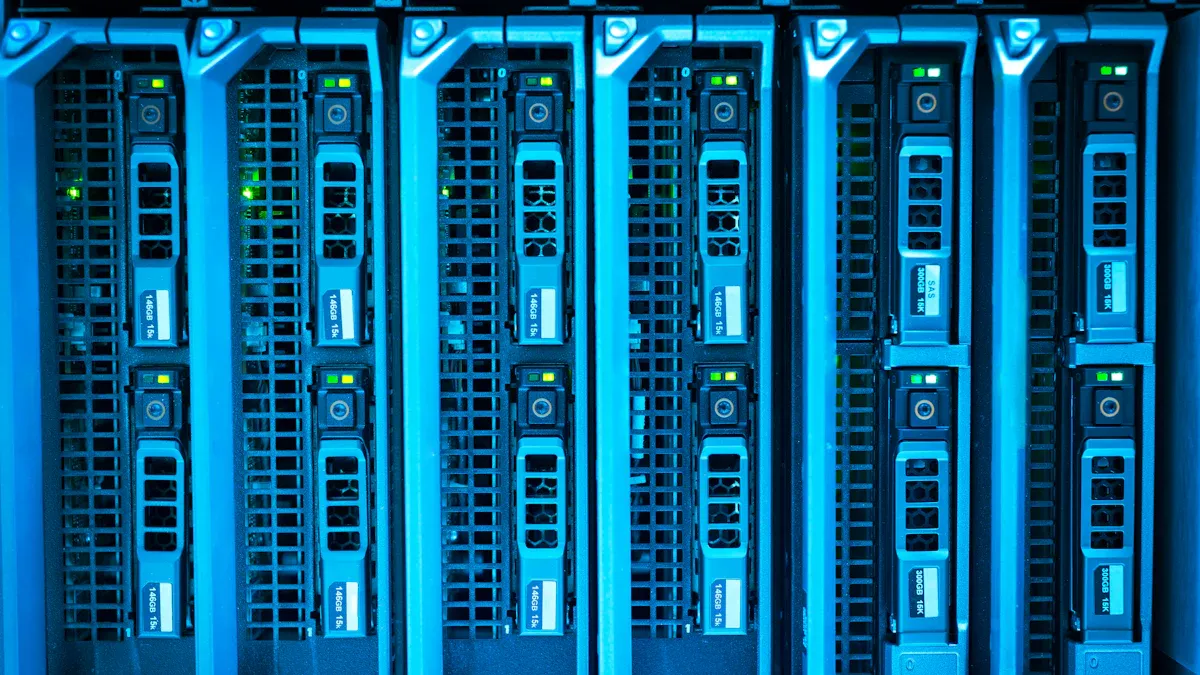
Defining a Metered PDU
When I talk about a Metered PDU, I am really talking about a smart power strip for your IT gear. It is not just a simple power outlet. This device connects to your power source and then distributes electricity to all your servers and network equipment. What makes it special is its ability to track important electrical details. A metered PDU tracks essential electrical parameters such as voltage, current, power factor, and energy consumption. Voltage monitoring ensures stable power delivery. Current tracking helps me detect potential overloads. Power factor measurements assess how efficiently I am using power. Energy consumption data helps me with long-term planning. These detailed metrics help my team and me optimize energy distribution and keep our systems reliable.
Real-Time Power Monitoring Capabilities
I find the real-time monitoring capabilities of these PDUs incredibly useful. They do more than just pass power along. Here is how they work to give me that crucial real-time data:
- Power Input and Distribution: A metered PDU connects to a power source. It then sends electricity to many outlets. Internal sensors watch the current flowing through. This makes sure the power stays within safe limits.
- Built-in Display Panel: These PDUs have a screen right on them. This screen shows live readings for voltage, current, and the total power being used. I can quickly see any problems and fix them.
- Network Connectivity and Remote Access: Many models offer Ethernet or Wi-Fi. This lets me monitor power stats from my computer or phone, even when I am not there. It also sends alerts if there is an overload or bad voltage. This makes managing power much simpler for me.
Key Metrics Displayed by a Metered PDU with Current Meter
A PDU with current meter gives me a lot of information. It shows me specific numbers that help me understand my power usage. I see these key metrics:
- Current (A): This measures how fast electricity flows. My devices have amp ratings. These ratings tell me how much power they can handle before they overload.
- Voltage (V): This measures the electrical force. Higher voltage means more power can flow through a circuit.
- Actual power (W): This shows the real power available in an electrical circuit. I often see this measured in kilowatts (kW) or megawatts (MW).
Beyond these, I also look at:
- Voltage: It measures how stable my power supply is.
- Current: It tracks the load levels right now.
- Active Power (kW): This tells me the actual energy my equipment uses.
- Apparent Power (kVA): This shows the total power drawn by my equipment.
- Reactive Power (kVAr): This helps me find any power inefficiencies.
- Power Factor (PF): This helps me check my energy efficiency.
A digital meter on the PDU shows the Amperage. The current draw for connected equipment appears in amps on the front LCD. This gives me real-time load monitoring.
Local and Remote Data Access
I can access the data from my metered PDU in two main ways: locally and remotely.
For local access, I just look at the PDU itself. Metered PDUs display real-time power metrics. This includes voltage, current, and kilowatts, right on a local screen. This feature helps me balance loads. It prevents my system from getting too much power. Metered PDUs offer local power consumption data through this display. I can see insights like power factor, voltage, and current. This helps me know my current needs. It also helps me decide when I need upgrades. Metered PDUs provide real-time power usage data at the PDU level. They have a local display. This display shows current, voltage, and power consumption for the whole unit. This lets me monitor power usage directly. I can make sure my power supply stays safe. I can view power measurements on-site using the local display.
Remote access is also very important for me. It lets me check things even when I am not in the data center. Some advanced Power monitoring PDU models let me view this data from afar. They use a network connection. This does add a small risk if not secured well. I use different network protocols for this:
- HTTP/HTTPS: I use this for secure web browser access. It gives me a graphical user interface (GUI).
- SSH and Telnet: These give me secure command-line access. I use them for scripting and setting things up.
- SNMP: I use this for monitoring, control, and getting automatic alerts.
- RESTful API: I can use this to write custom scripts. These scripts can automate outlet functions.
Benefits of a Load Monitoring PDU in Modern IT Infrastructure
I have seen firsthand how a Load monitoring PDU transforms how we manage our IT infrastructure. These devices offer so many advantages, from saving energy to keeping our equipment safe. They really make a difference in how smoothly our operations run.
Enhanced Energy Management and Efficiency
For me, one of the biggest wins with these PDUs is how much they help with energy. I can manage energy much better and make our systems more efficient. A leading global technology company, for example, cut their energy use by 30% after putting in intelligent PDUs with remote monitoring. This also meant fewer times their systems went down, which is a huge plus. I have also seen data centers report energy savings of up to 20% when they use metered PDUs along with other smart strategies like consolidating servers and improving airflow. These savings really add up, lowering electricity bills and making our operations more efficient.
Metered PDUs also play a big role in improving our Power Usage Effectiveness (PUE) ratio. This ratio tells me how efficiently my data center uses energy. A study by bitkom, Germany’s digital association, shows that just having the measurement function of a PDU can reduce energy efficiency by 30%. I can get a basic PUE idea by measuring IT load at the UPS outputs. For a more accurate PUE, I measure IT load from the PDU outputs. But for the most accurate PUE figure, I measure IT load right at the input of my IT equipment. Metered rack PDUs help me do this. They are the best place to measure the total power going to server racks in my server rooms. This ensures I measure the IT equipment load after all power changes and conditions.
Improved Capacity Planning and Resource Allocation
Planning for the future is much easier with a metered PDU. I get the data I need to make smart decisions about where to put new equipment and how to use my power. This helps me avoid surprises and make the most of what I have. I look at specific data points like:
- Current
- Voltage
- Power (kW)
- Apparent power
- Crest factor
- Accumulated energy
- Power factor
- Power consumption at the device or server level
- Available capacity at the rack level (through inlet metering)
This detailed information helps me understand exactly how much power each piece of equipment uses. It also shows me how much power is still available in each rack. This data-driven approach means I can adapt to growing power demands without over-provisioning or running into unexpected power limits. It helps me make informed choices about where to place equipment and how to allocate power efficiently.
Proactive Overload Prevention and Equipment Protection
Preventing overloads is a top priority for me, and metered PDUs are my best friend here. They give me real-time data on power usage. This is super important for stopping circuit overloads before they happen. They precisely measure power consumption at the inlet level, so I can monitor overall energy use. By giving me real-time data, metered PDUs help me find devices that are not being used enough. This lets me optimize power distribution and cut down on unnecessary power use, which prevents overloads.
Metering at the inlet helps me figure out power usage and available capacity. This makes it easier to set up equipment and avoid circuit overloads. Branch circuit metering gives me early warnings if a circuit starts getting too loaded. This reduces the chance of it tripping. I also get alerts based on thresholds I set. These alerts tell me when I need to reduce power demands, which prevents overloads. Branch circuit metering also lets me add new devices without tripping circuit breakers. This is especially helpful for high-power devices like blade servers.
Metered PDUs also protect my equipment by sending alarms and notifications for potential issues like power spikes or overloads. I get real-time local and remote alerts for possible circuit overloads. I can even set my own alarm thresholds to reduce risk. They also send automated alerts for power and environmental conditions. This means I can act fast if something goes wrong.
Operational Insights for Data Center Metered PDU
A Data center metered PDU gives me deep insights into how my power is being used. They provide granular, real-time monitoring at the PDU and rack levels. I track metrics like voltage, amperage, current, and power factor. These detailed power metrics help me balance loads across outlets and racks. This prevents overloads and keeps my equipment running efficiently without stressing the electrical infrastructure.
These PDUs offer detailed power usage metrics like kWh, voltage, and amperage. These are essential for creating accurate energy usage reports. These reports help me find inefficiencies and areas where I can improve power consumption. Automated threshold alerts go off when power usage goes over limits I set. This helps me prevent potential issues proactively.
Metered PDUs give me a continuous stream of power data. This lets me analyze trends, optimize power usage, and plan for future capacity. They really improve power efficiency by giving me real-time data on power usage. This lets me track energy consumption and optimize efficiency. Kilowatt-hour (kWh) measurement, ideally with +/- 1% ‘billing-grade’ accuracy, is crucial for figuring out actual power usage and driving efficiency efforts. Real-time monitoring helps me find inefficiencies, reduce energy waste, and meet energy efficiency standards and regulations. They also provide proactive insights into power conditions. This lets my IT team address potential issues before they get worse. Real-time monitoring helps prevent overloads by alerting staff when power thresholds are close or exceeded. This reduces the risk of tripped circuit breakers and unexpected downtime. They also help detect anomalies by logging power events and irregularities. This makes trend analysis and troubleshooting easier, minimizing equipment damage and service interruptions.
Compliance and Reporting with Power Monitoring PDU Data
Meeting compliance standards and generating reports is much simpler with the data from my metered PDUs. The data supports ISO 50001, which is the international standard for energy management systems. PDU design increasingly includes ISO 50001. It focuses on systematically monitoring, measuring, and improving energy performance to meet sustainability goals in data centers. Updates like the 2018 revision of ISO 50001 and EU energy directives drive this. They integrate PDU features like real-time metering and automated load balancing to support organizational energy policies and reduce consumption in monitored environments.
Monitored PDUs give organizations advanced data analysis and reporting capabilities. They generate actionable insights that help optimize power distribution and reduce energy waste. By looking at trends in energy consumption, I can find inefficiencies and fix them to improve sustainability. Historical data tracking is another valuable feature. Remote monitored PDUs store detailed records of power usage. This lets me analyze trends over time. This information is essential for capacity planning. It ensures data centers can grow their operations effectively without losing energy efficiency.
I also get outlet-level metering for pinpoint power tracking. They seamlessly integrate with DCIM software for real-time dashboards, threshold alerts, and compliance reports. This helps with ESG-aligned reporting with audit-ready, real-time power data. I have eliminated ghost loads and recovered stranded capacity across deployments. I can right-size provisioning to reduce energy waste and make equipment last longer. This gives me greater control and accountability at the cabinet level. At Oak Ridge Schools, eConnect® PDUs helped IT teams monitor outlet-level usage, trigger proactive alerts, and improve energy efficiency. This shows the real-world impact of smart power management.
Practical Applications and Choosing a Metered Rack PDU Manufacturer
I find metered PDUs incredibly versatile. They fit into many different IT environments, each with its own unique power needs. Let me show you where I use them most effectively.
Data Centers and Server Rooms
In my data centers and server rooms, metered PDUs are foundational. They give me the real-time power data I need to keep everything running smoothly. I use them to monitor power consumption at the rack level, ensuring I never overload a circuit.
Network Closets and Edge Computing
Network closets and edge computing sites present unique challenges. I often deal with nearby machinery that causes power fluctuations. Smart PDUs, backed by a UPS, help me here. They allow remote reboots and power shut-offs to specific outlets. This remote capability is a lifesaver for standalone edge enclosures, giving me peace of mind. I also see a growing need for flexible, scalable power solutions in these areas, and modular PDUs are becoming essential.
Test Labs and Development Environments
My test labs benefit greatly from metered PDUs. They provide accurate energy tracking, which is crucial for understanding the power draw of new equipment. I can prevent circuit overloads and even identify “ghost servers” that consume energy without doing useful work. The billing-grade accuracy helps me calculate PUE more precisely, too.
Remote IT Infrastructure and Colocation Facilities
For remote IT infrastructure and colocation facilities, metered PDUs are indispensable. They give me real-time insights into energy consumption, even when I’m not physically there. I can track energy usage and identify opportunities for savings. Many models integrate with DCIM systems, offering a centralized view of power. This helps me maintain an efficient power infrastructure and prevent overloads. However, remember that while I can monitor remotely, I can’t remotely control individual outlets to turn devices on or off.
Metered PDU vs. Basic PDU: Key Differences
When I choose a PDU, I always weigh the options. A basic PDU is just for simple power distribution; it’s like an advanced power strip. It has a lower upfront cost. But a Metered PDU offers so much more. It provides real-time monitoring of voltage, current, and power factor. I get user-defined alarms for potential overloads, and it often has a local display for immediate information. While a metered PDU has a higher initial cost, its advanced features for detailed power management and energy efficiency often lead to significant long-term savings. It helps me track energy consumption and optimize efficiency, which a basic PDU simply cannot do.
I find Metered PDUs essential for efficient IT operations. They give me critical insights into power use. This helps me optimize energy and fix issues fast. Investing in these tools ensures strong power management. It also supports our sustainable IT growth. They truly make a difference in my daily work.
FAQ
What is the main difference between a metered PDU and a basic PDU?
I use a metered PDU to monitor power in real-time. A basic PDU just gives power. It does not track usage.
Why do I need real-time monitoring?
Real-time monitoring helps me prevent overloads. It also lets me optimize power use. I can fix issues quickly.
Can I control individual outlets with a metered PDU?
No, I cannot control individual outlets with a standard metered PDU. I need a switched PDU for that feature.
Post time: Jan-19-2026


